Climate-Controlled Document Storage – Dallas-Fort Worth
Get a Quote
"*" indicates required fields

24/7 monitored facility
Climate-controlled
Scan-on-demand
DFW pickup & delivery
AT A GLANCE
Climate-controlled records storage helps Dallas–Fort Worth businesses protect sensitive documents and materials from heat, humidity, and environmental damage. Armstrong Archives provides secure, climate-controlled document storage designed to preserve records in optimal condition while supporting long-term retention and compliance needs.
Our climate-controlled storage solutions use specialized HVAC systems to maintain consistent temperature and humidity levels, preventing deterioration such as mold, warping, or paper decay. All items are carefully indexed, tracked, and accessible through a secure system, with flexible retrieval options including scan-on-demand, delivery, or in-person access at our Carrollton facility.
Secure Records Preservation for Longevity & Compliance
Climate-controlled document storage provides essential protection from moisture and temperature fluctuations, ensuring that sensitive business documents are stored securely and remain in optimal condition until needed. This service helps prevent document degradation and supports compliance with industry-specific regulations for safe document retention across Dallas–Fort Worth. That protection matters most for records your business needs to keep for years, such as patient charts, closed case files, tax and financial records, and permanent archives.

Why Use Our Climate-Controlled Storage in Dallas-Fort Worth?
The Texas climate can be harsh with extreme heat, humidity, and seasonal storms that can damage important documents. Basic storage options like garages, self-storage units, or basic warehouses expose records to moisture, dust, and pests.
At Armstrong Archives, our climate-controlled storage ensures your documents are protected from these risks with specialized HVAC systems that maintain optimal temperature and humidity levels. For businesses in DFW, and the surrounding communities, we provide climate-controlled records storage inside a dedicated records center, not a rented storage unit, so your files stay secure, indexed, and ready to retrieve.
Climate-Controlled Records Storage vs. Self-Storage Units
Many self-storage facilities advertise climate-controlled units, and some businesses use them for overflow files. A storage unit keeps boxes out of the office, but it leaves the rest of records management to you.
Armstrong Archives is a records storage facility, not self-storage. The difference shows up the moment you need a file:
- Tracking: Every box and file is indexed and barcode-tracked, so you know exactly where a record is without searching through boxes.
- Retrieval: Request a file and receive it through scan-on-demand, delivery, or our climate-controlled viewing room.
- Security: Restricted access and 24/7 monitoring protect confidential records.
- Logistics: DFW pickup and delivery means your team never has to haul boxes.
- Full lifecycle: Choose document scanning to convert files you access often; secure shredding safely destroys records at the end of their retention period.
For businesses that store medical, legal, or financial files, those differences reduce both the risk of damage and the time spent finding records.
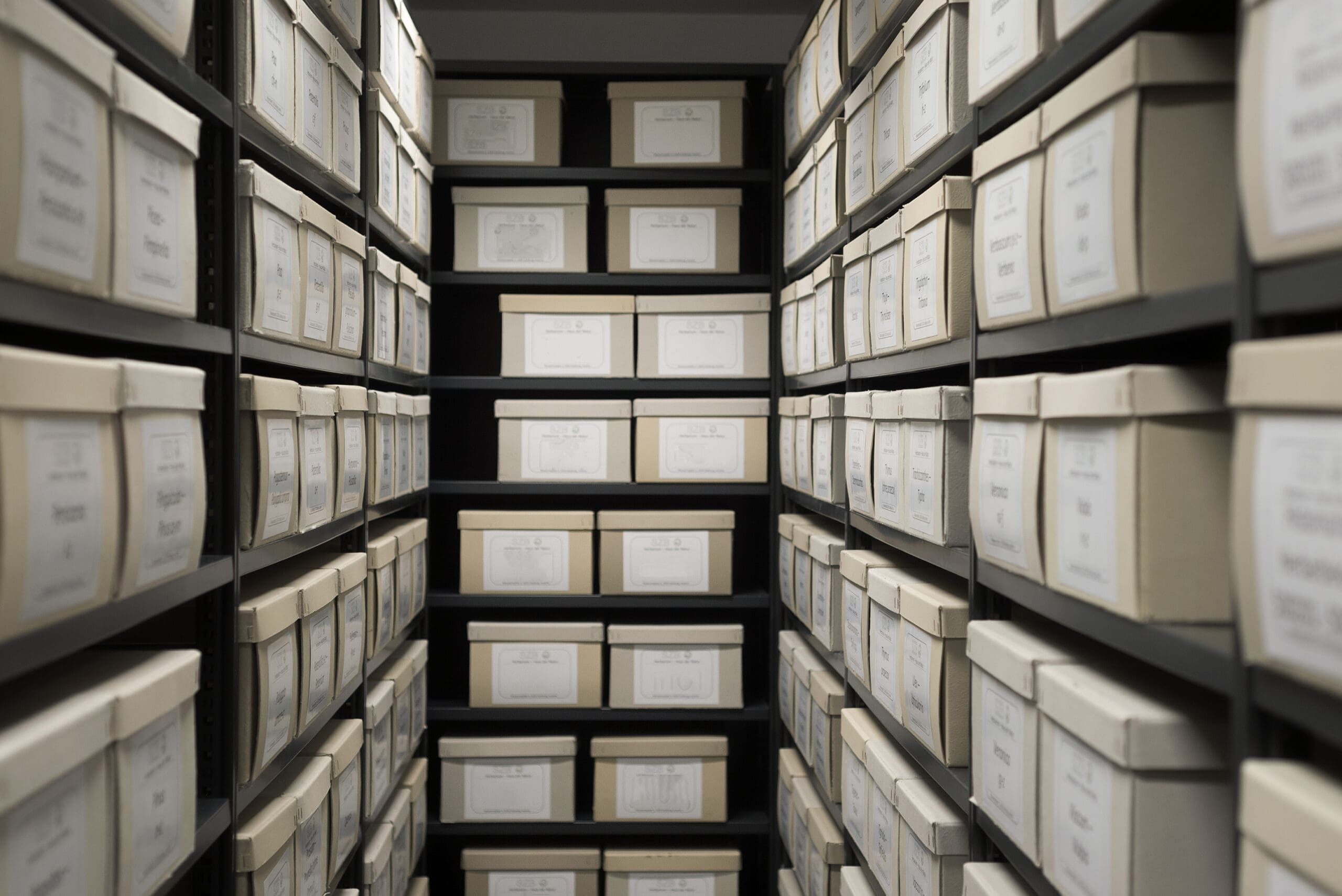
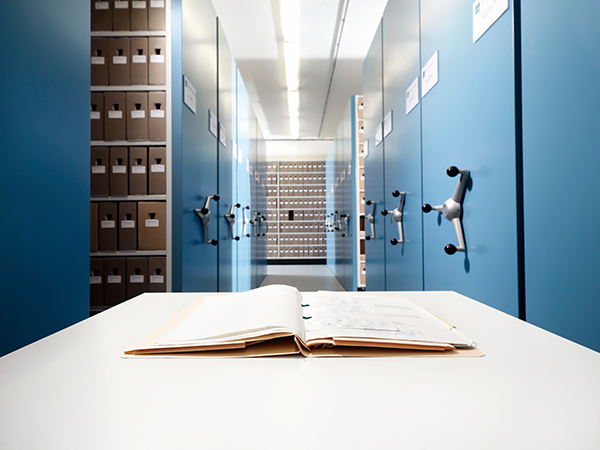
Ideal Temperature and Humidity for Records Storage
Paper, photographs, and film break down faster when temperature and humidity swing. High humidity feeds mold and causes pages to warp and stick together. Heat speeds up yellowing and makes paper brittle, and repeated swings between hot and cool conditions stress bindings, inks, and adhesives.
For long-term document storage, a stable environment of around 60°F – 70°F with relative humidity between 30% and 50% is widely recommended. Stability matters as much as the numbers: records last longer when conditions stay consistent year-round.
Armstrong Archives’ HVAC and dehumidification systems maintain these optimal temperature and humidity levels in our climate-controlled storage areas, even through North Texas summers and seasonal storms. In addition, we are implementing a Wi-Fi-enabled monitoring system in our climate-controlled warehouse, which will allow us to remotely track temperature and humidity levels, monitor environmental conditions, and receive alerts if conditions fall outside established ranges so we can take action immediately to keep our clients’ materials protected.
Flexible Climate-Controlled Storage Options
Whether you need storage for a few months or long-term, Armstrong Archives offers custom climate-controlled storage designed to meet your business needs. Our facility provides a secure and affordable option for both short- and long-term storage.
We carefully document, index, and track all files with barcodes for easy access. Whether you wish to review documents in our climate-controlled viewing room or receive them at your office via scan-on-demand or physical delivery, our team ensures your records are available when you need them. Our climate-controlled storage facility is based in Carrollton and has restricted access and 24/7 monitoring. We serve businesses throughout Dallas-Fort Worth, including Dallas, Fort Worth, Plano, Lewisville, Highland Village, and Grapevine. For general offsite records storage, see our full storage services.
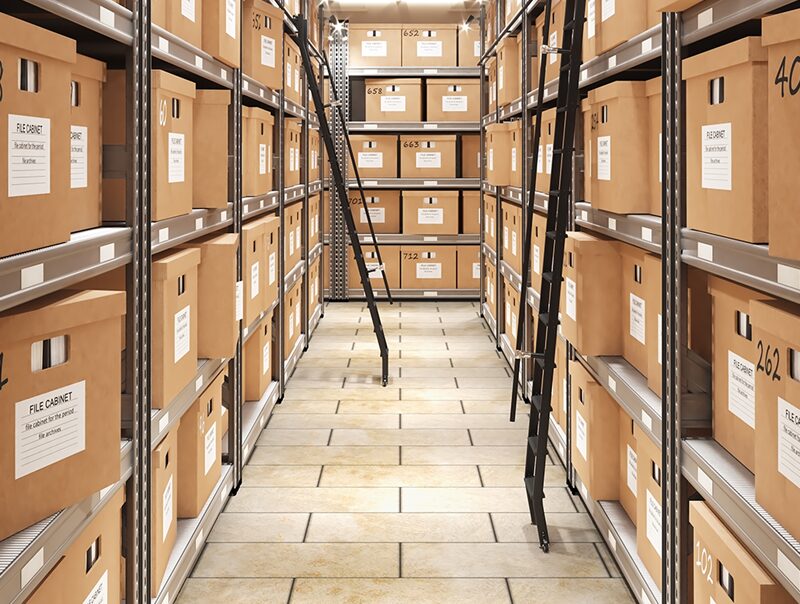

How Our Climate-Controlled Document Storage Works
- Consultation: We review what you need to store, how often you access it, and how long you need to keep it.
- Pickup: Our team collects your boxes from your office anywhere in the DFW area.
- Indexing and barcoding: Each box and file is documented, indexed, and barcode tracked.
- Climate-controlled storage: Records are stored in our secure, monitored Carrollton facility.
- Retrieval: Request files anytime and receive them via scan-on-demand, delivery, or in person at our Carrollton viewing room.
- Secure destruction: When records reach the end of their retention period, you may choose our shredding service.
Climate-Controlled Storage for Medical, Legal, and Financial Records
Medical Records Storage
- HIPAA-compliant medical records storage for healthcare providers, including paper patient files that must be kept long-term. Climate control keeps records intact and protected from moisture and temperature changes.
Legal Document Storage
- Secure and confidential legal document storage for law firms, with scan-on-demand retrieval options. Climate control helps preserve legal documents, exhibits, and closed case files, keeping them safe from environmental damage.
Financial Document Storage
- Specialized storage for sensitive financial records, supporting your retention requirements. Climate control protects financial documents from humidity and other environmental factors, keeping them secure for future access.
Vital Records Storage
- Secure humidity-controlled storage for vital records such as birth certificates, property deeds, and contracts, ensuring they are preserved for future access with full indexing and tracking for easy retrieval.
Archives, Photographs, and Specialty Media
- Long-term archives, photographs, and other media, such as microfilm, microfiche, photo negatives, X-ray film, tapes, and hard drives that are sensitive to heat and humidity, benefit from the same stable environment, with the same indexing and retrieval options as your paper records.

Let Armstrong Archives Simplify Your Storage Needs
Contact us today to learn more about our climate-controlled records storage and our short- and long-term document storage solutions in DFW, or call 972.646.2031.
Armstrong Archives FAQs
What is climate-controlled storage?
Climate-controlled storage maintains consistent temperature and humidity levels to protect sensitive items, such as paper records, photographs, and media, from heat, humidity, and extreme weather conditions.
Why should I choose climate-controlled storage in Dallas-Fort Worth?
In the DFW area, temperatures can fluctuate widely. Climate-controlled storage at Armstrong Archives helps protect sensitive materials, such as paper documents and electronics, from heat, humidity, and other environmental factors.
What types of items require climate-controlled storage?
Items such as paper documents, artwork, photographs, electronics, and medical records are sensitive to temperature and humidity and benefit from climate-controlled storage to avoid deterioration.
How does climate-controlled storage protect my documents?
Armstrong Archives’ climate-controlled facility regulates both temperature and humidity, reducing the risk of mold, paper decay, or damage to sensitive records.
What is the ideal temperature for document storage?
Most preservation guidance recommends a stable 60–65°F with relative humidity around 40% to prevent deterioration such as yellowing, warping, or mold. Consistency matters as much as the exact numbers.
What is the difference between climate-controlled and non-climate-controlled storage?
Climate-controlled storage regulates temperature and humidity, protecting sensitive items. Non-climate-controlled storage lacks this protection, leaving items exposed to extreme conditions
Can I access my records at your Carrollton climate-controlled storage facility?
Yes. Armstrong Archives provides 24/7 online access to your stored documents, along with flexible hours for in-person access at our Carrollton facility.
What security features are available for climate-controlled document storage?
Armstrong Archives offers features like 24-hour security monitoring, restricted access, and digital tracking to ensure your records remain safe
Are there any specific materials that should not be stored in climate-controlled environments?
Climate-controlled storage is ideal for many sensitive materials, including paper documents, medical records, photographs, artwork, clothing, artifacts, and other valuables that can be affected by heat, humidity, or moisture. Some specialized items may require custom handling or may not be suitable for standard storage, so it is best to confirm any unusual, oversized, or sensitive materials before storage begins.
How should documents be packed for climate-controlled storage?
Documents should be contained in a labeled box that supports organized retrieval and long-term preservation. We document, index, and barcode-track files for easy access, and detailed transmittal information can make identification and retrieval even easier.
What is the longest period of time I can keep my documents with you in a climate-controlled environment?
We offer both short-term and long-term storage solutions. The right storage period depends on your business needs, retention requirements, and the type of documents being stored. Many organizations use climate-controlled storage for long-term preservation of important records that need to remain accessible, secure, and in good condition over time.
Can I use a self-storage unit in Dallas for business documents?
You can, but a self-storage unit only gives you space. You are responsible for organizing boxes, tracking files, controlling who has access, and retrieving records yourself. A records storage facility like Armstrong Archives indexes and barcode-tracks every file, restricts access, and delivers records by scan-on-demand or delivery when you need them.
Is climate-controlled storage suitable for HIPAA-regulated paper files?
Yes. Our climate-controlled storage supports HIPAA-compliant medical records storage for healthcare providers, combining stable temperature and humidity with restricted access and tracked retrieval. Learn more about our medical records storage services.
How quickly can I get a stored record back?
With scan-on-demand, requested files can be scanned and sent to you within 24 hours, with expedited delivery available for an additional fee. You can also request physical delivery anywhere in DFW or review files in person at our Carrollton facility.